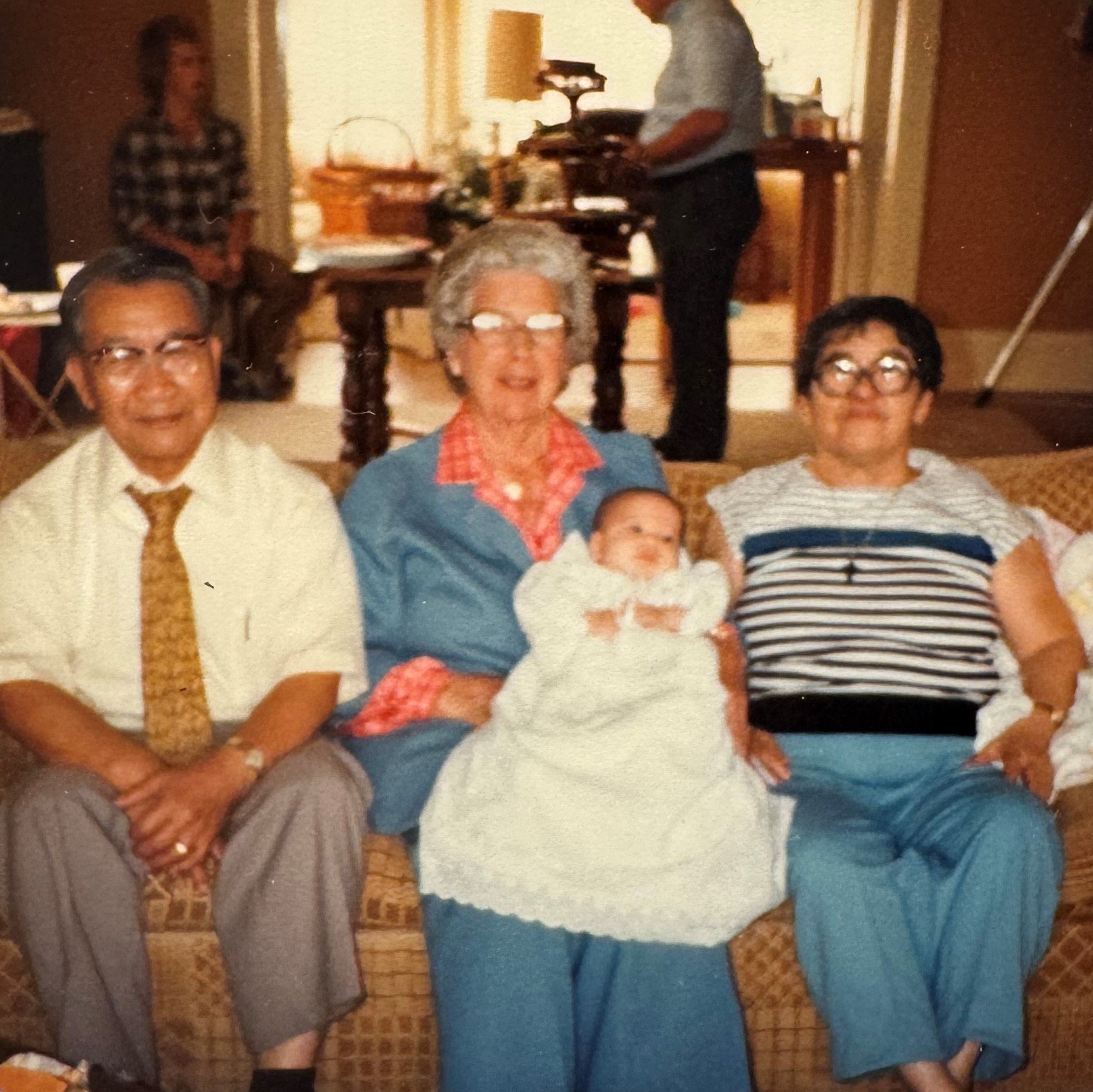
Joe Dangaran, with his grandparents, on the day of his baptism in the family’s San Francisco home. 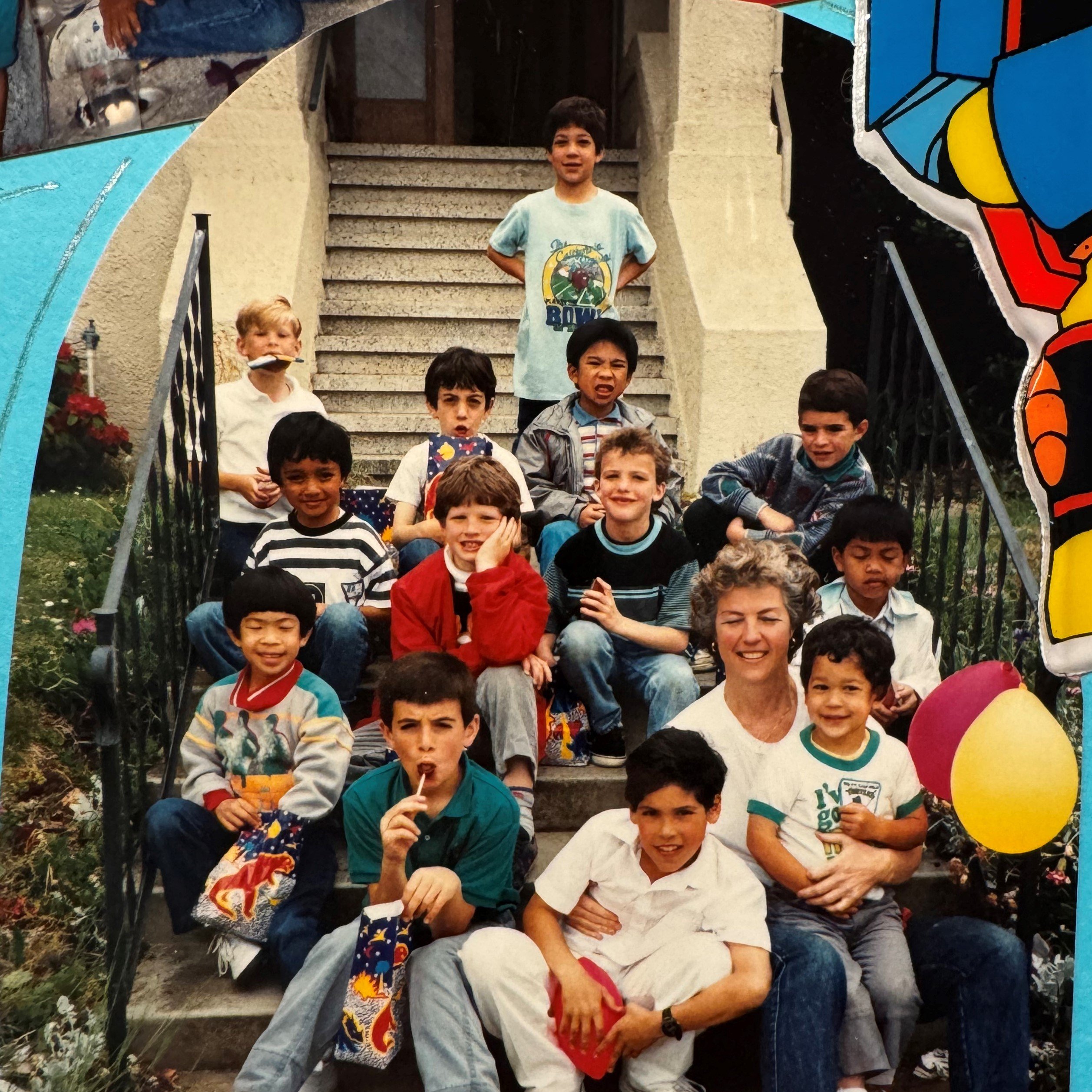
Friends at Dangaran’s 7th birthday party. 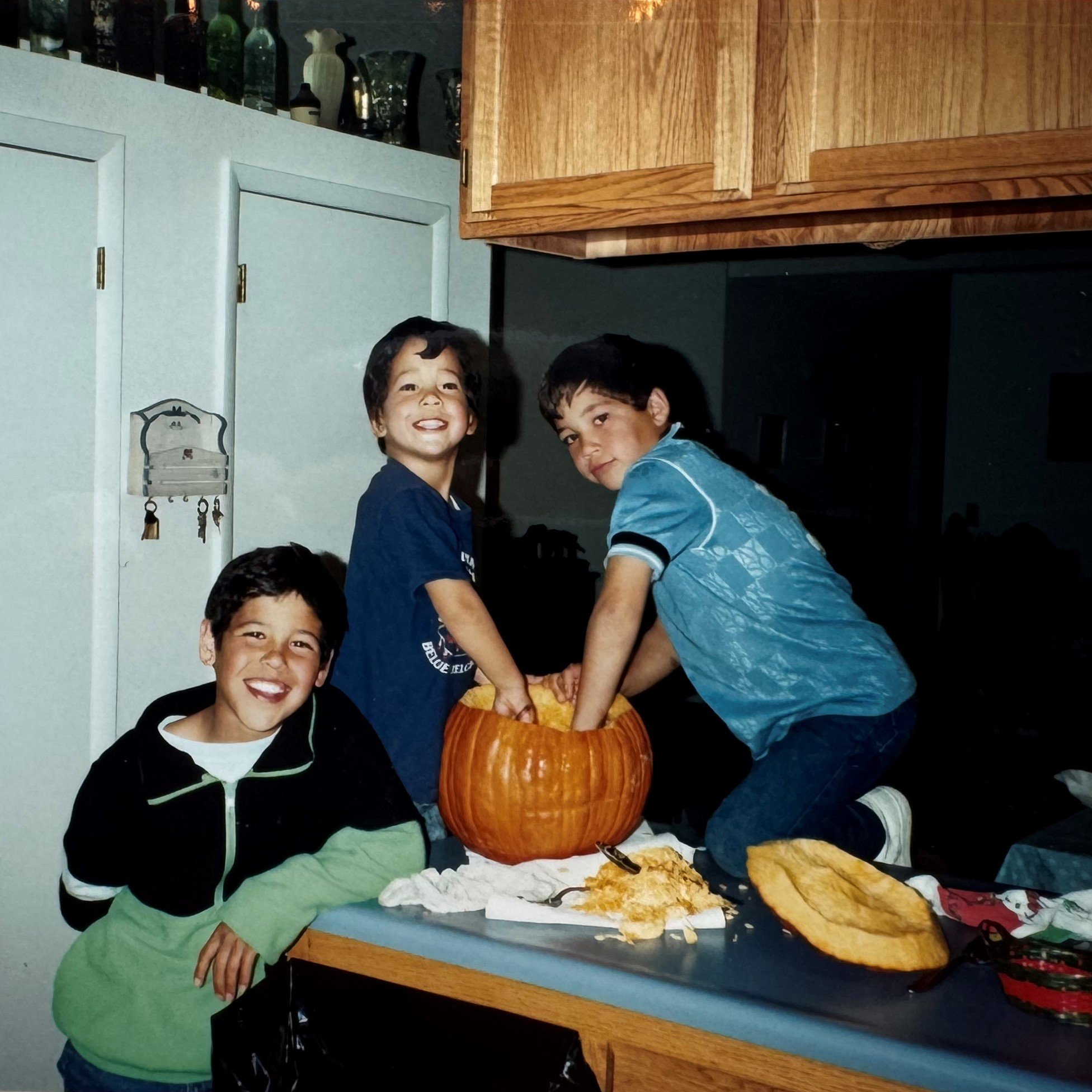
Dangaran and his brothers carve pumpkins in the kitchen of their first home in Nevada. 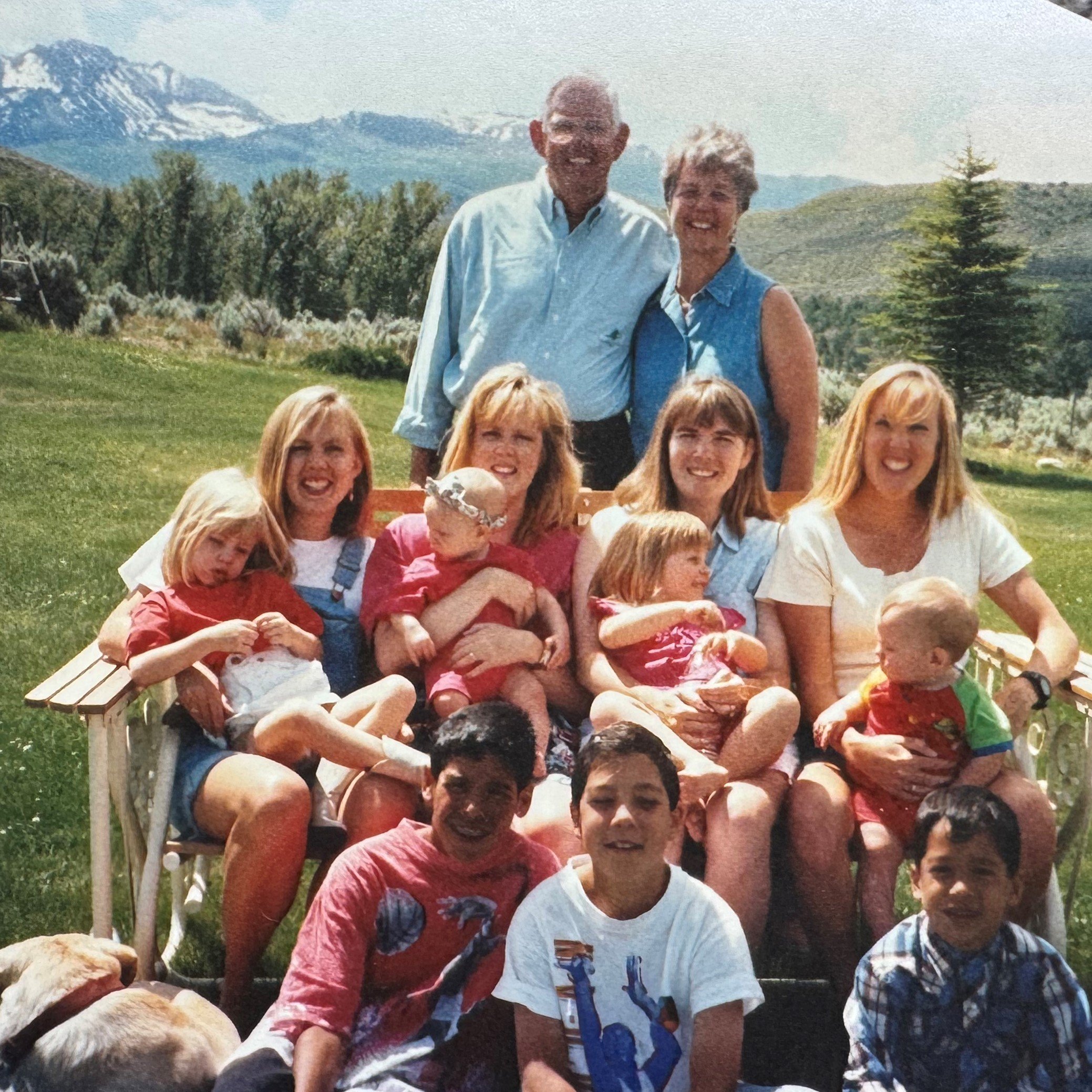
The family in the backyard of their final Nevada home, Tent Mountain Ranch. 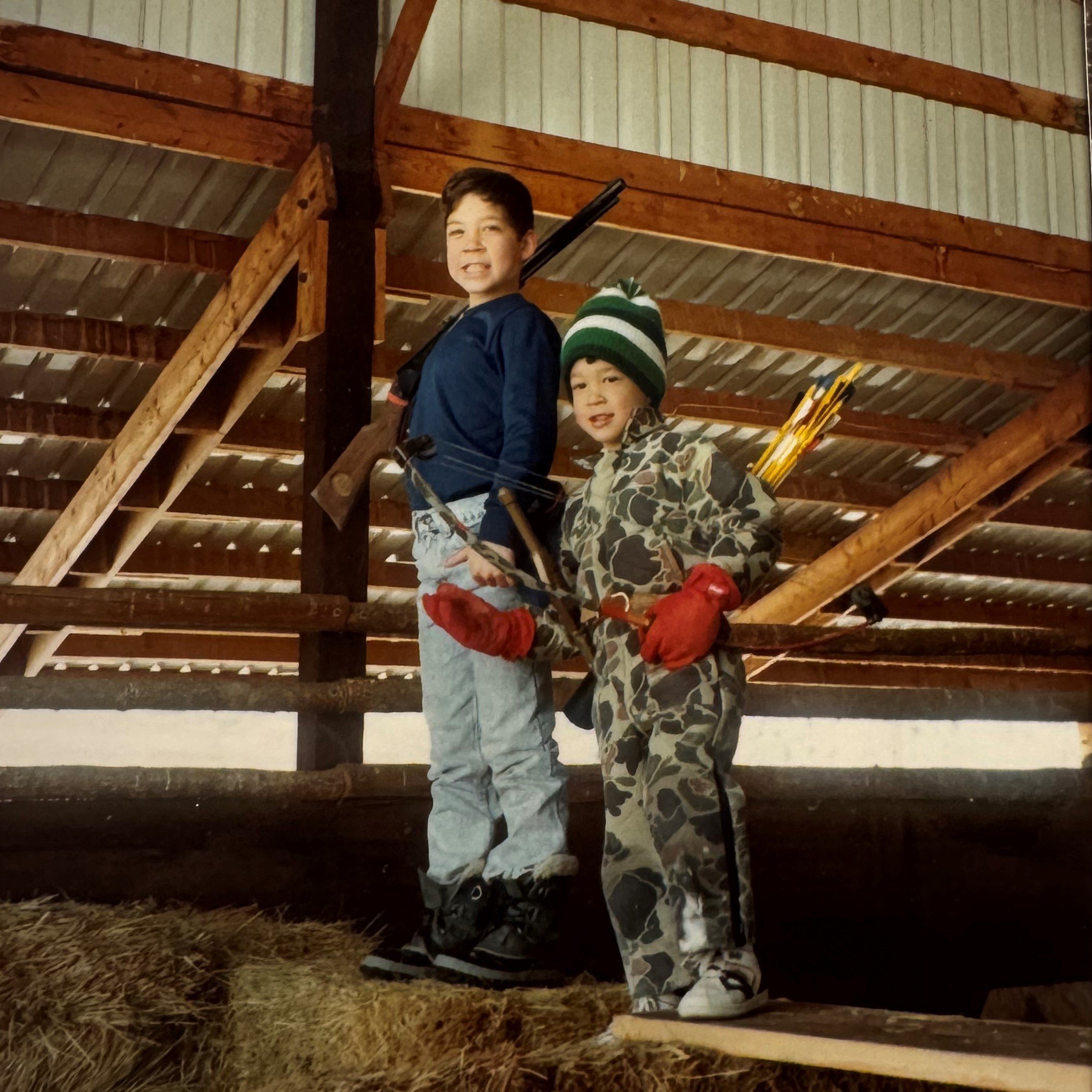
Dangaran in the hay barn, with his younger brother.


Architect Joe Dangaran is a founding partner of Woods + Dangaran.
“My childhood was a combination of the Sunset District in San Francisco, the high mountain desert of northeastern Nevada, and the American Southwest, specifically outside of Santa Fe, New Mexico.
Our first house in San Francisco was an old craftsman, right across the street from San Francisco State University. It’s funny, the things you remember from a place: I remember the texture of the couch we had. You could run your fingers over it and it was incredible. I remember the first time I rode my bike in front of the stairs of that house. I remember my mom and stepdad getting married and climbing in the limo on the way to the church in front of those stairs. And I remember, in 1989, when the Loma Prieta earthquake was going off, us running down those stairs and seeing telephone poles waving back at us.
When my parents remarried, we moved to a small town in northern Nevada called Battle Mountain. My stepdad was a longtime district manager for the Bureau of Land Management, which owns and operates [a significant portion of] land in the U.S. He was a trained forester, and spent a lot of time outdoors. He would collect these really old bottles that became part of the decorating, if you will, of our home’s interior.
After Battle Mountain, my parents bought a 3,800-acre ranch in northeastern Nevada. As an 8-year-old, you have no idea what acreage is, but you soon find out with all the work you have to do to maintain it. My parents loved it and, looking back, I loved it, too, and I want that for my kids and for our family.
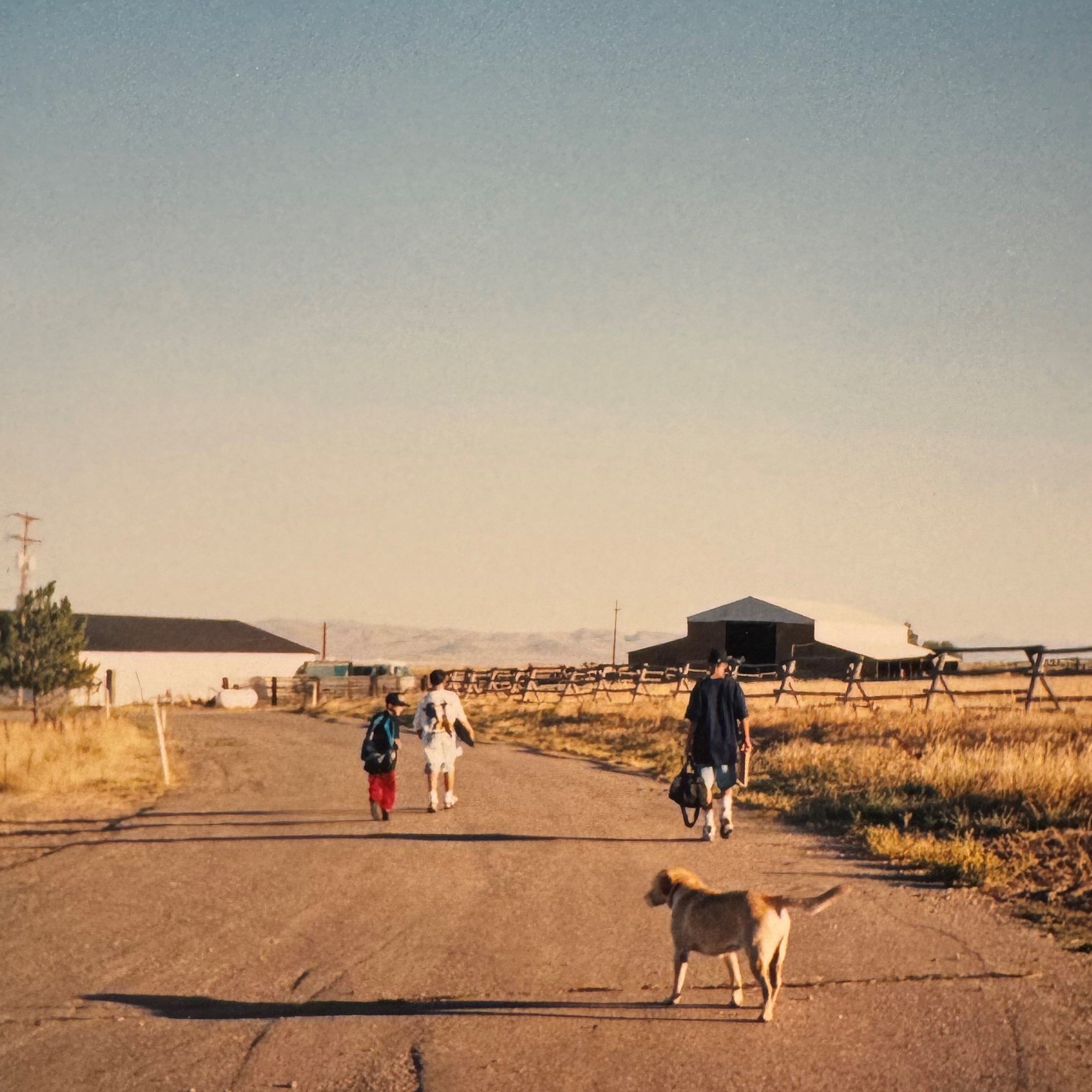
With his brothers, Dangaran walks down their home’s driveway to catch the bus on their first day of school. 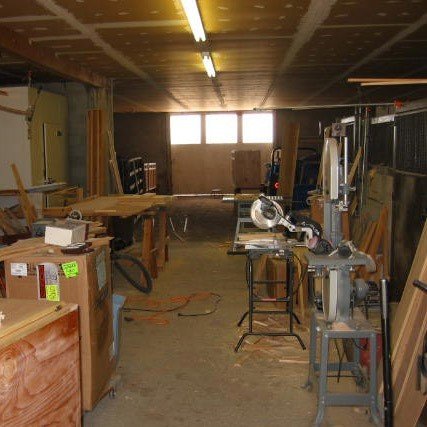
The shop in the family’s barn, where they worked on cabinets for their cabin. 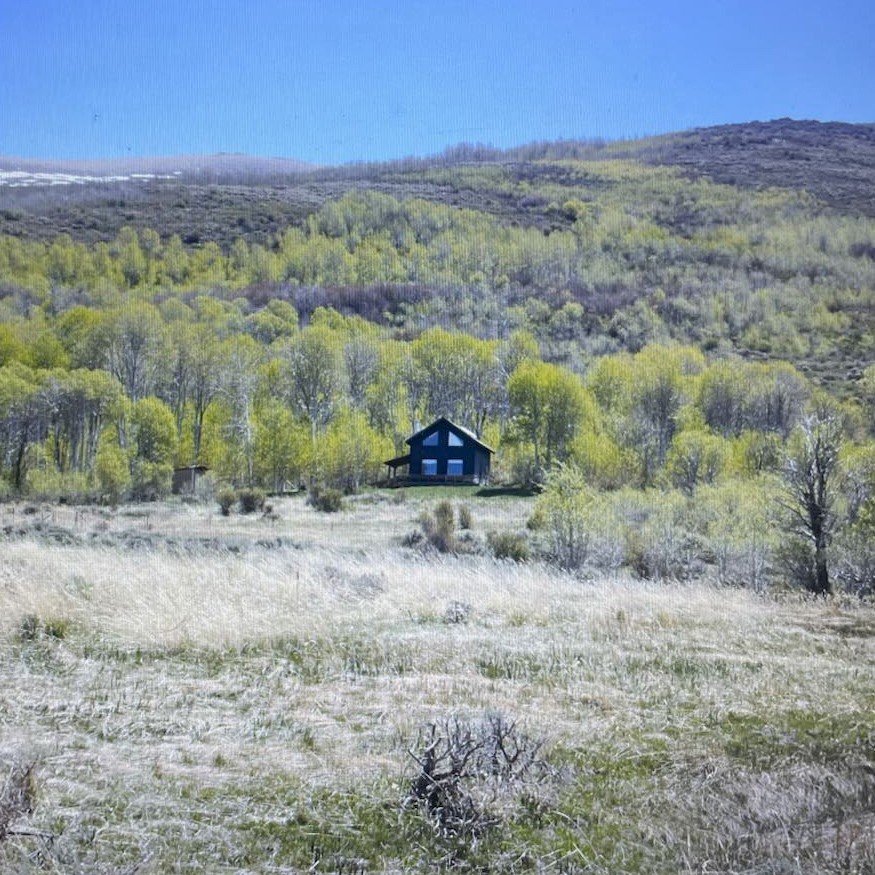
The family’s off-the-grid cabin, which they built during the summer of 1999. 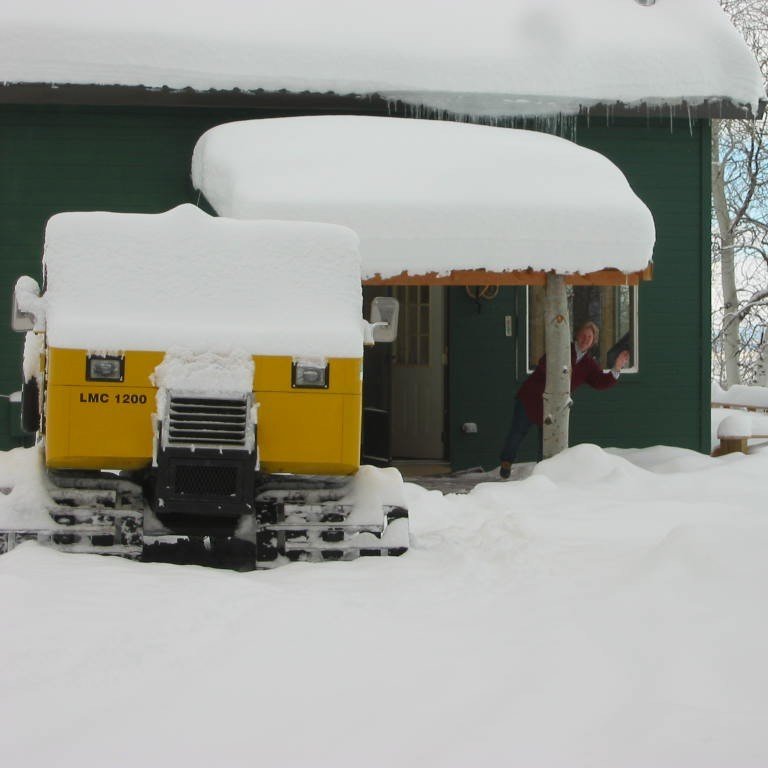
Dangaran’s mother at the cabin during the winter.


Part of the joy of growing up on a ranch is that you get to go out, and get in trouble. We made forts in the barn with hay bales. One of our winter chores, because you couldn’t do much work outside, was to clean the barn—which we did even when it was clean.
We learned how to do woodwork and made cabinets for our family cabin, which we built in 1999. It was very much off the grid. It wasn’t designed that way to be cool or environmentally conscious; it was designed to be off the grid because you had to be off the grid. We had a well that we drilled. We had a propane tank that fed the refrigerator, the lamps, the kitchen. My parents, being very crafty, somehow found a prefab tilt-up construction company in Idaho [to help build the cabin]. We got to do all the shop drawings and the fabrication.
We’re all products of our environment, our experiences, and my parents were, and still are, a combination of hard work, seriousness, responsibility, and also very creative, fun, and playful at times.
These days, all I want is a cabin with a big deck. I don’t need anything else. I just want some kind of simplicity and beauty in nature.”
This presentation was part of the inaugural Making Space symposium, which took place in Los Angeles on November 12, 2025 before a live audience. It has been edited and condensed. (Photos courtesy Joe Dangaran)