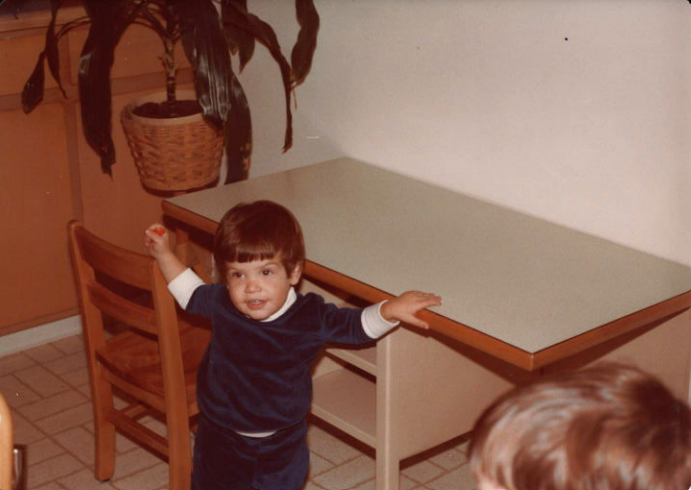
Jonathan Nesci with a refurbished desk and chair from his maternal grandfather. 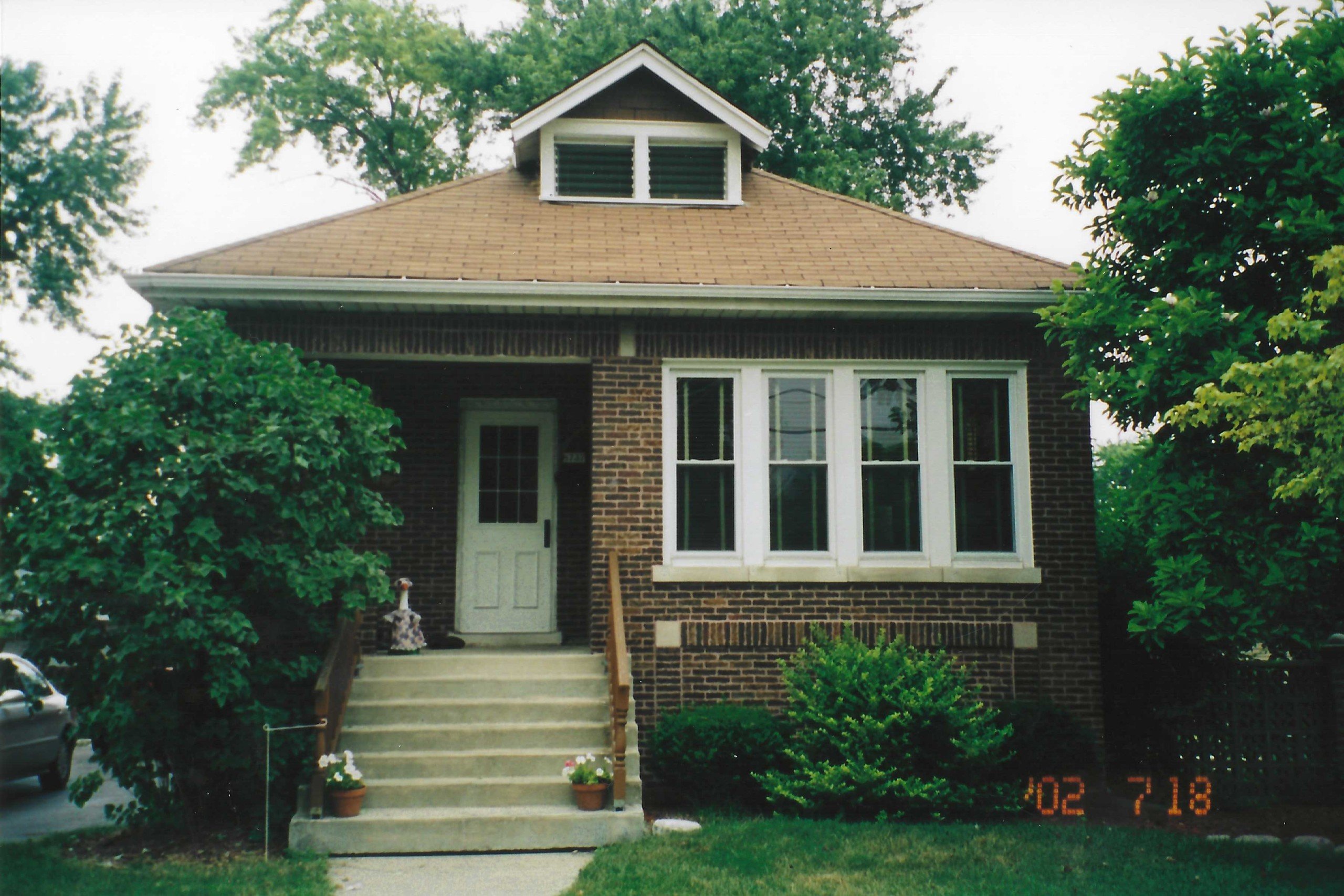
The family’s bungalow in Oak Lawn, Illinois. 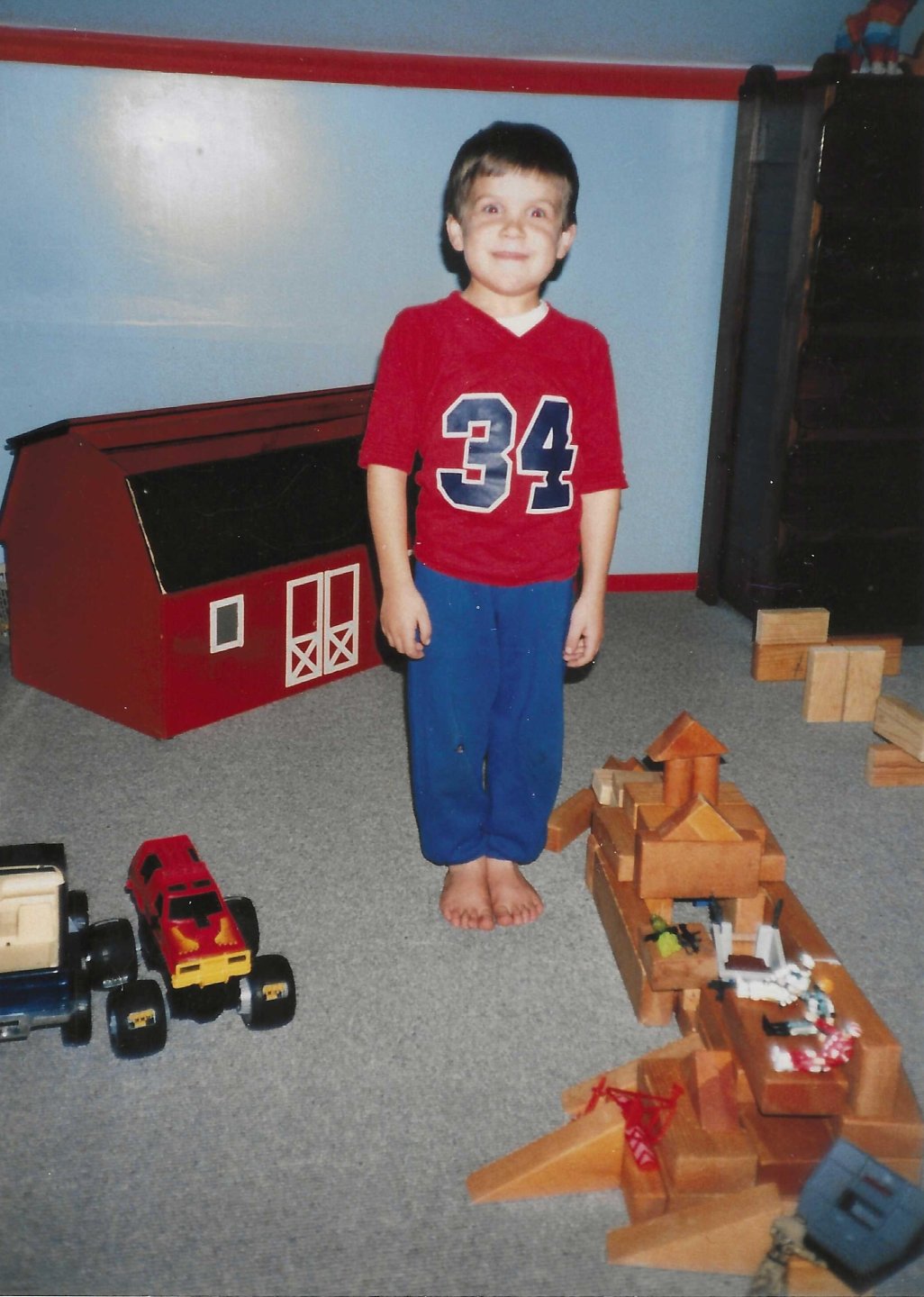
Nesci with handmade blocks and a barn chest, and G.I. Joes. 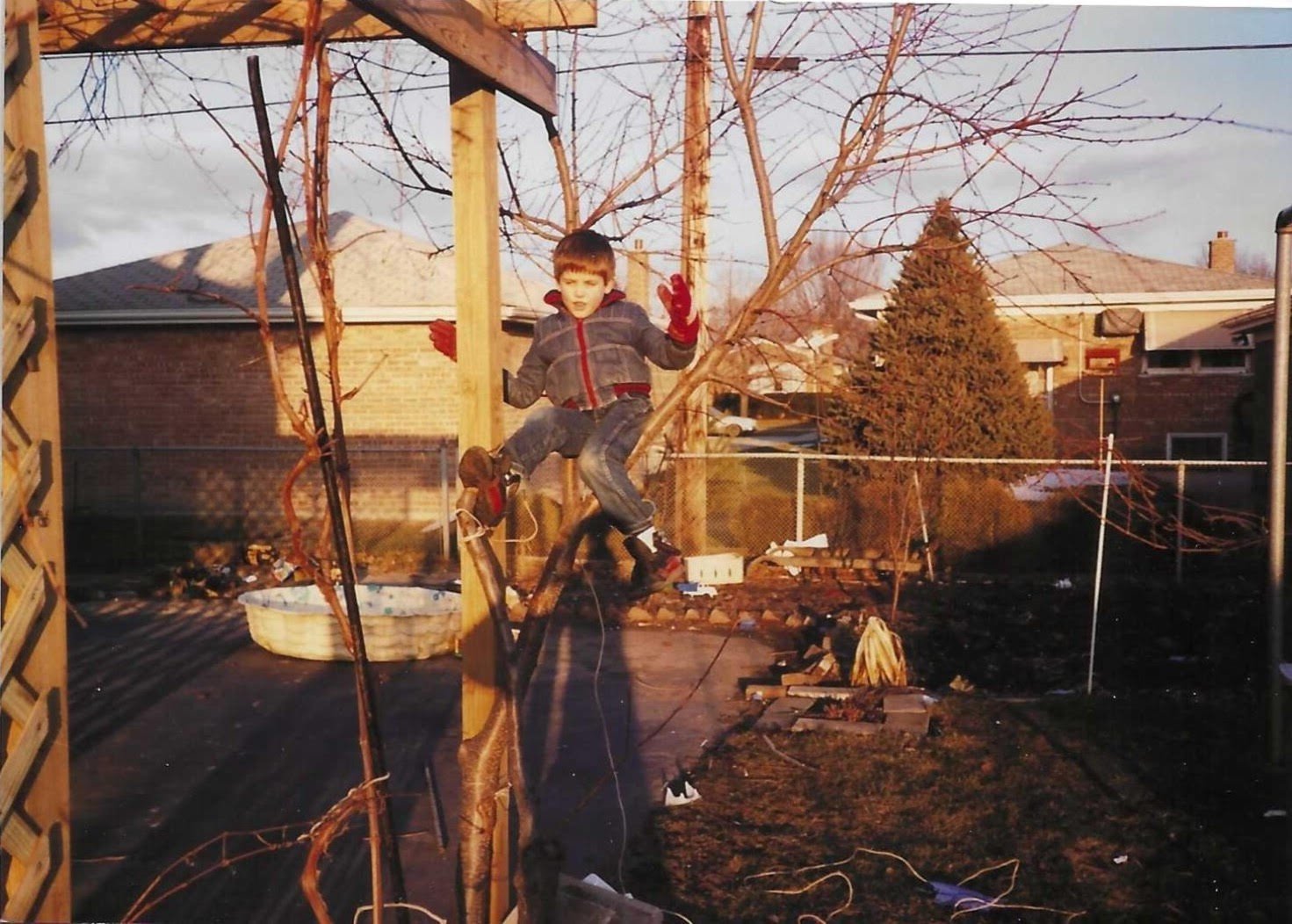
The artist in a tree in his backyard, next to a grapevine his father tended.


Jonathan Nesci is an artist based in Indiana.
“My parents bought this 1923 bungalow two weeks before I was born, in the summer of 1981. It’s on the south side of Chicago, and it’s the oldest house on the block.
Every summer my grandfather, who owned a company that made bricks out of concrete, delivered sand for the backyard sandbox he built us. My earliest memories are being in that sandbox forever. It was constant play: You’d make something, tear it down, and try again. Around that house, there were constant visual elements [that referenced] building.
There were a lot of physical markers of the fact that you could change your environment, improve its quality. So much of that has to do with using materials that are timeless, which my parents did as they renovated the place. The materials in that house were good in 1923 and, more than a hundred years later, they still look good.
It was also materially rich—brick walls, limestone, white oak trim around the windows—so it felt authentic. You really saw the construction of the house, inside and out, and how it correlated. There was a permanence to the place. It felt considered. You could see the craftsmanship involved. Nothing in it felt trendy, short-lived, or like a stopgap. I think my mother instilled an appreciation for that in me. She would emphasize the word real when she said it.
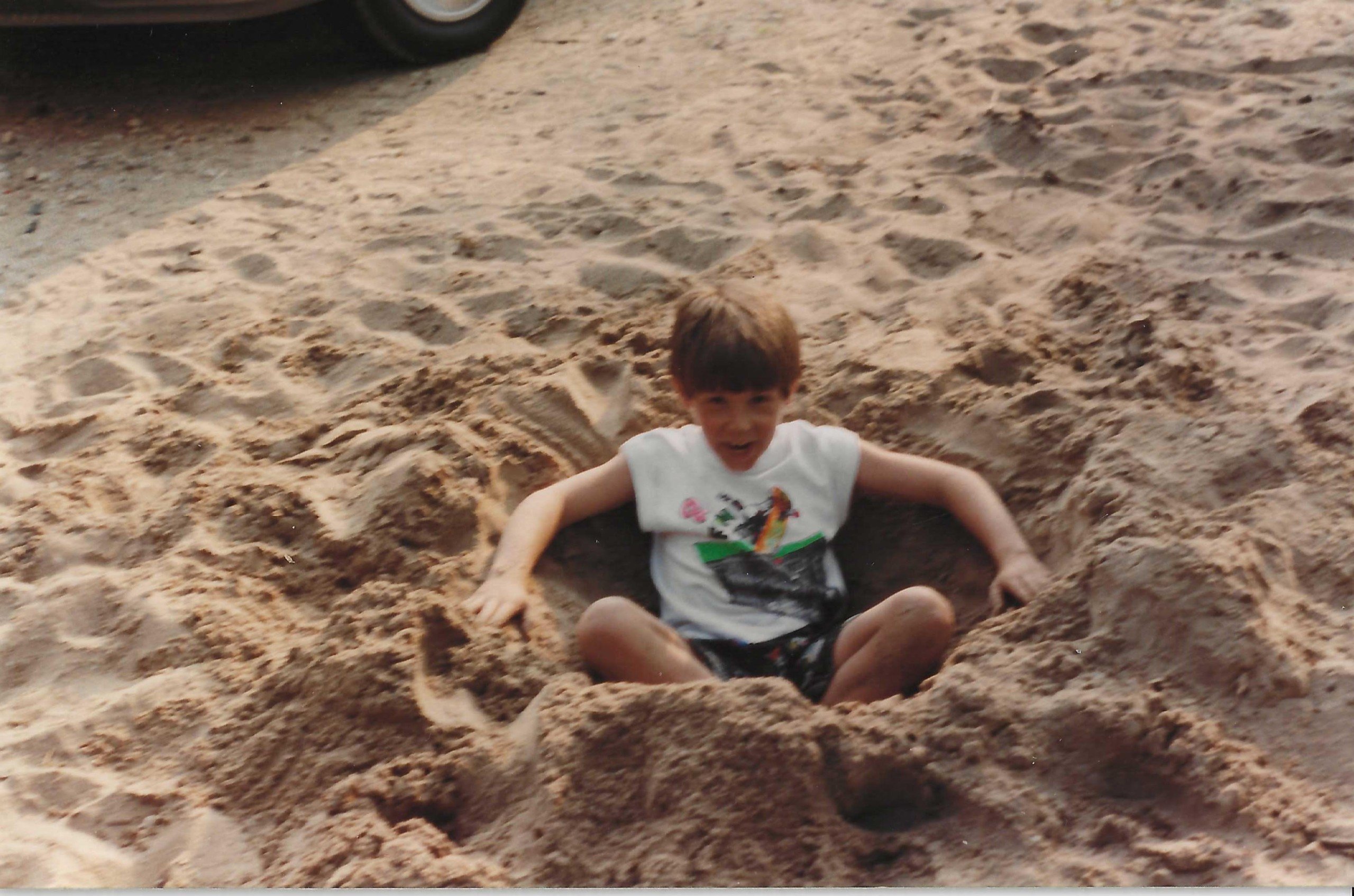
Nesci playing in the sand. 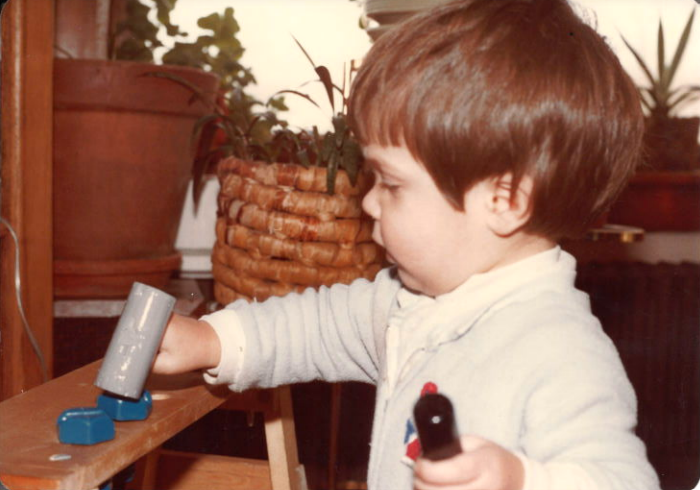
The artist’s first tool set. 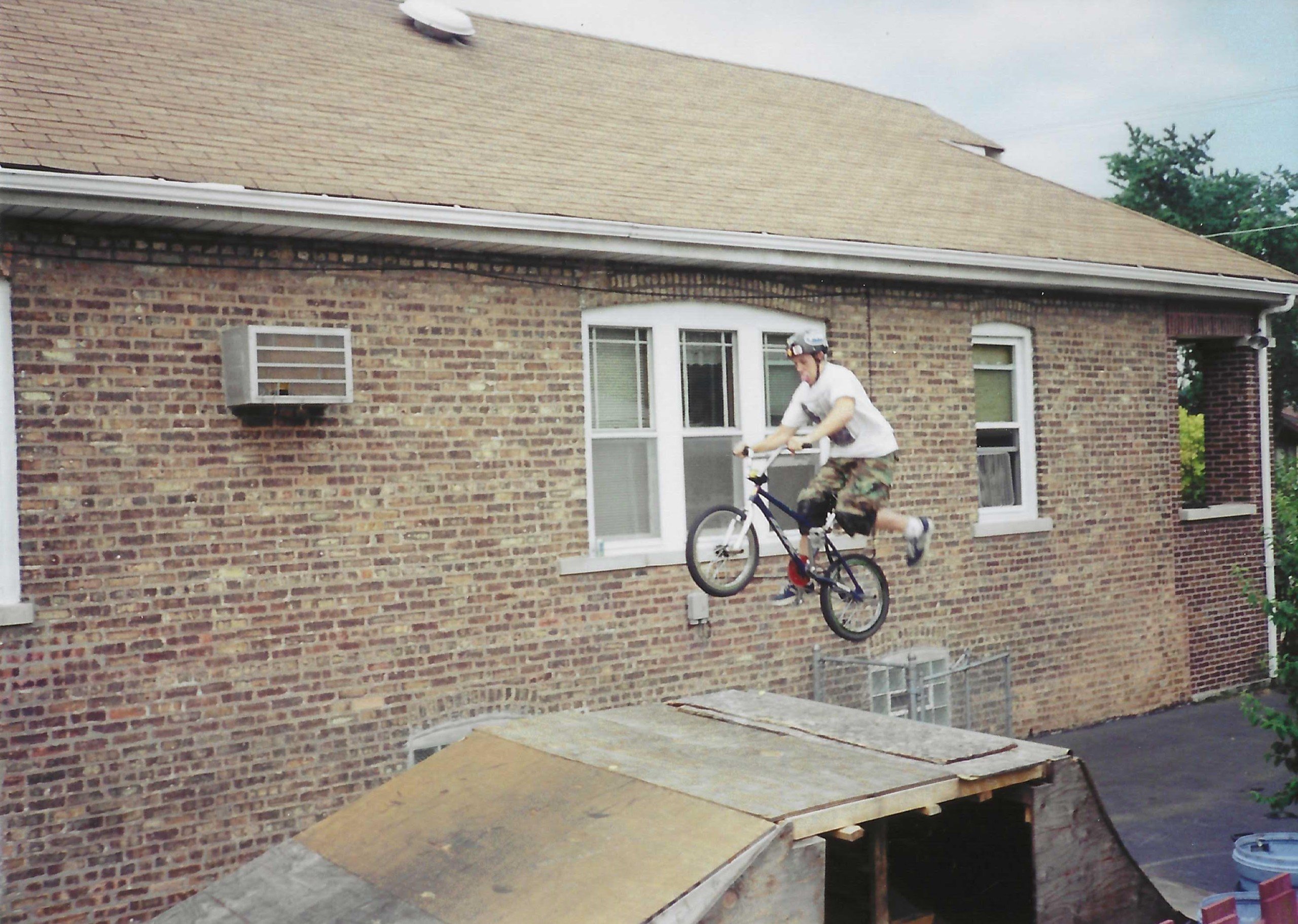
A ramp Nesci built on the property eventually extended nearly 30 feet.


Around age 11 or 12, my brothers were snoring in our rooms upstairs, and I’d had enough. One day my grandparents came over to visit, and while everyone else was busy with them, I took my mattress downstairs, cleared out a corner of the basement, and made it my bedroom. I didn’t ask for permission; I just did it. And my parents were totally cool with it.
The basement was hand-dug, with uneven, brown concrete floors. Who knows when the sump pump for it was built. So when it rained really hard, I’d wake up in a quarter inch of water. But the freedom of having my own space, and being able to personalize it, was worth it.
Eventually I got two-by-fours, framed a wall, and built a door and a closet, without any help from my parents. I put drywall up, and put a cove in the drywall to house my television and stereo. The room was always evolving and changing. I always liked that aspect of it: that things could get better over time. With attention.
I also built a bike ramp in my parents’ driveway that ended up being nearly thirty feet long and was there for most of my teenage years. Having the agency to change your space, and to explore and play, was huge. You made it how you wanted to make it.
Where does the motivation to keep iterating on an idea come from? All my siblings have that [mentality]. Growth is part of being present, of acknowledging a problem and having the need to change it. It often happens slowly, like it did at that house. It’s like watching your kids grow: You don’t see the progress until you look back a few years later.
Even today, in my practice, I’m constantly editing—for example, when a job becomes more of a hassle than what it is. I don’t like complicated. I don’t like fussy. But I don’t think of my work as ‘minimal,’ either. I’m just trying to pull the complication out of it.”
This conversation has been edited and condensed. (Photos courtesy Jonathan Nesci)