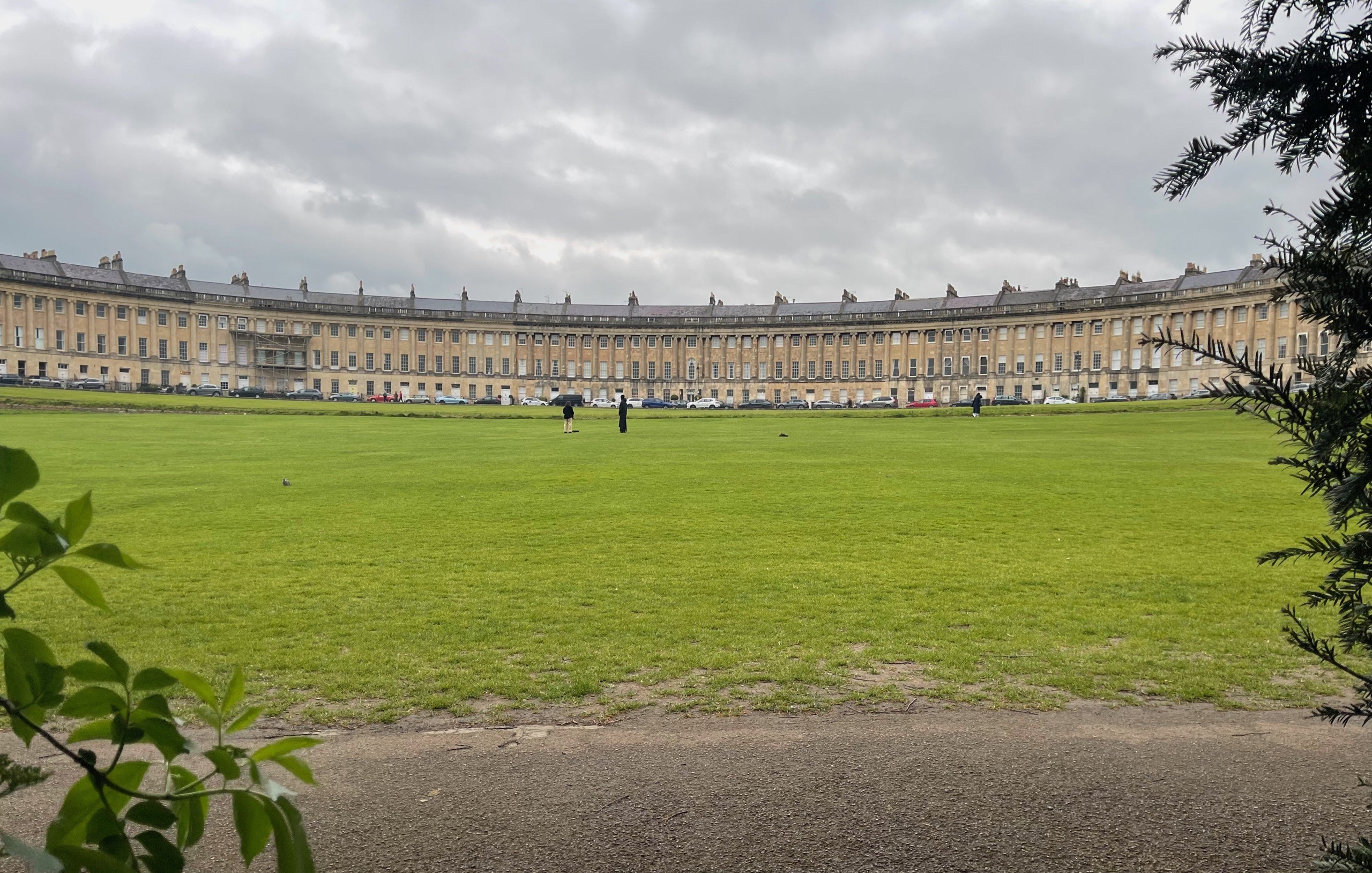
For two years, Frances Anderton lived in a flat at Royal Crescent in Bath, England. 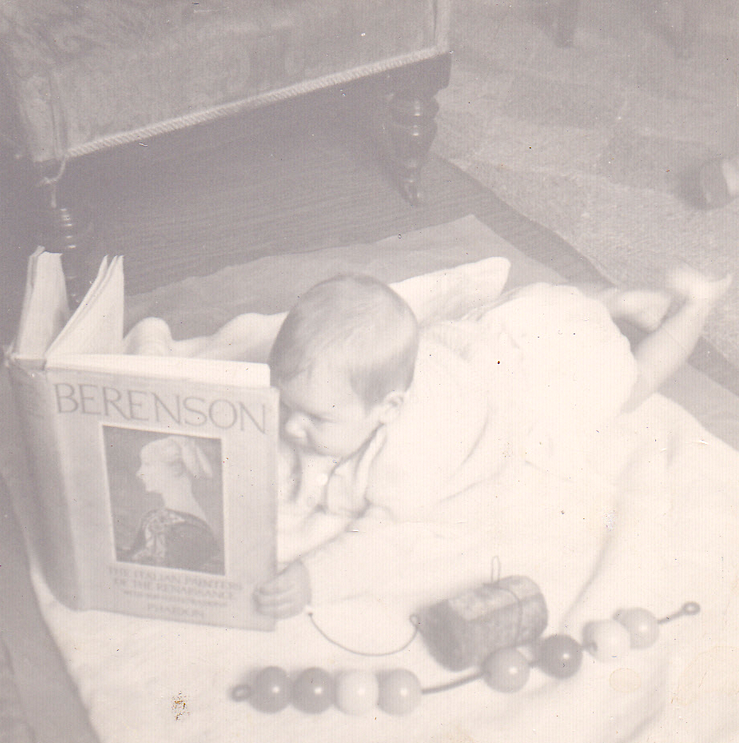
A nine-month-old Anderton, with a Bernard Berenson art history book, staged by her father, Sam. 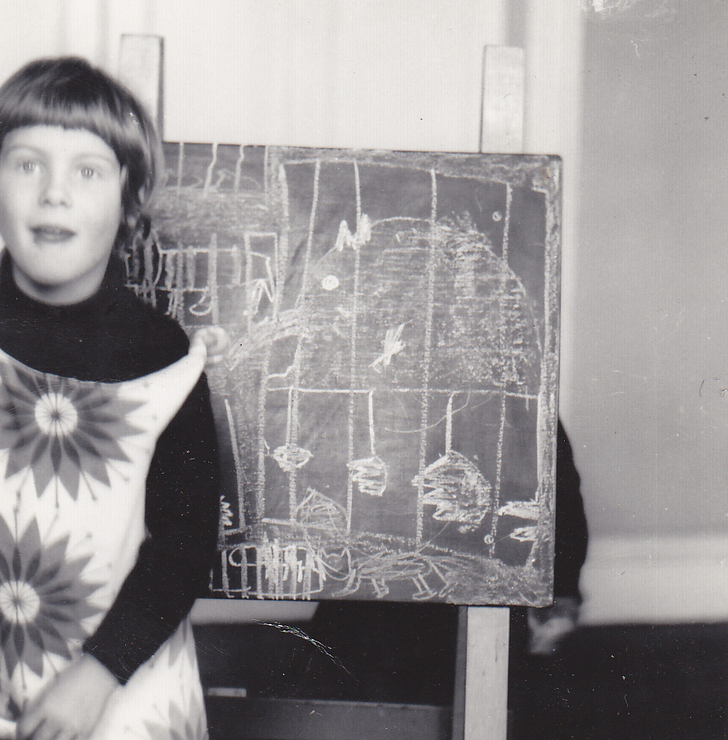
A blackboard drawing and Anderton at one of her childhood flats. 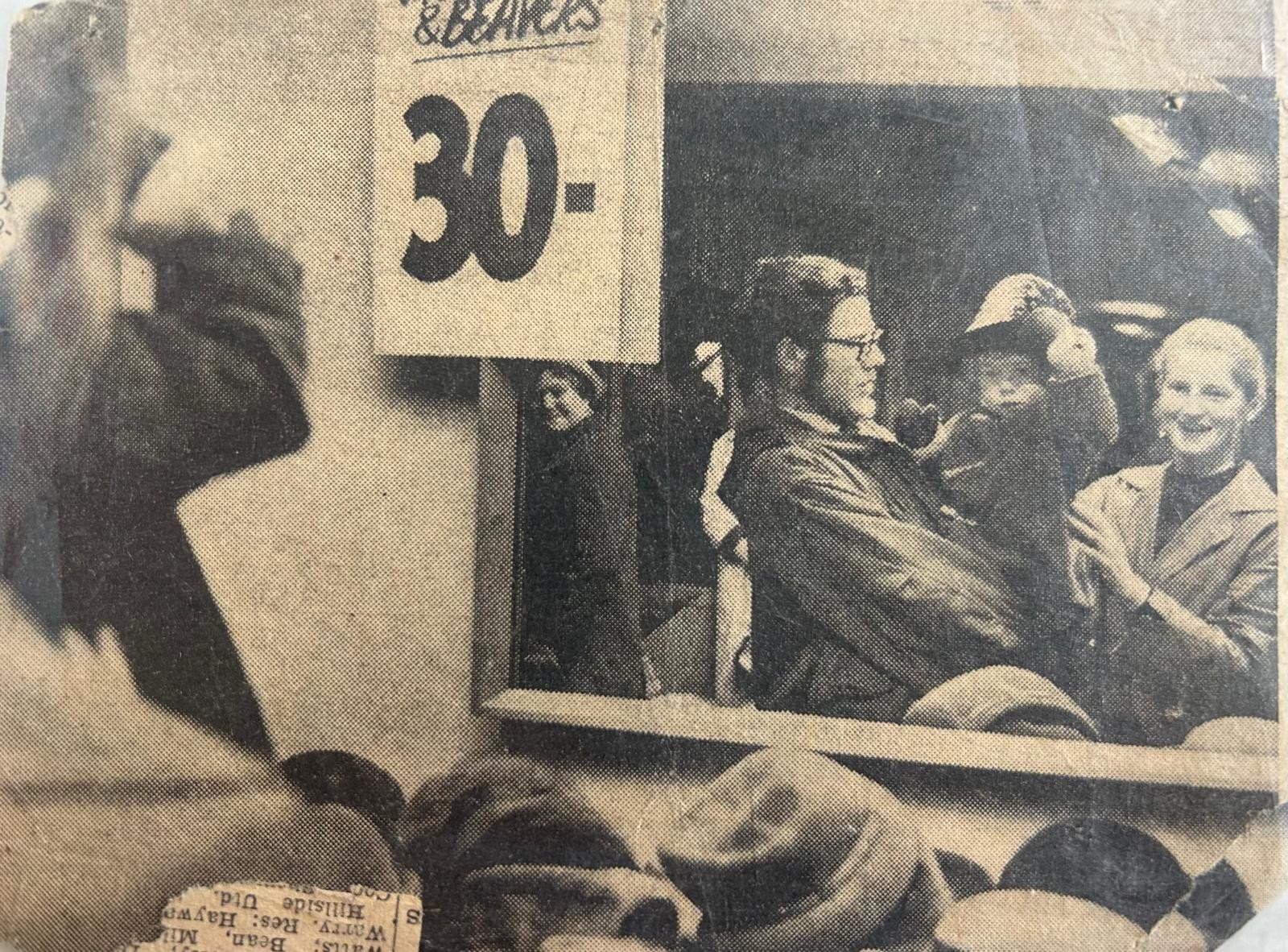
Anderton with her parents in the 1960s, photographed at a Colmers department store sale in Bath.


Frances Anderton is a journalist based in Los Angeles.
“When you leave a country behind, you sort of leave your childhood behind, and you’re not forced to think about it that much. And you know how we Brits don’t do much therapy. So thinking about the house I grew up in has been therapeutic.
I did not grow up in one house; I grew up in several. In fact, most of my childhood was spent in the city of Bath, from age 1 to 18. We lived in six different places. What my home really tells you is the story of my father, or my parents, who gave us quite an unusual childhood. And it was all about the home.
About my father: He was dearly beloved, no longer with us. He’d gone to art school. He was a self-taught builder. He had a number of jobs teaching. He ran a sign-making business; he did set decoration. But really what he loved to do was decorate and rebuild houses.
Every house was a personal art project. So starting in the early sixties—very scary—we went to Bath. At that time, the houses were black from soot, and they were extremely cheap. My parents’ first house there cost them two thousand pounds.
They’d do their day jobs and then work on the house. ‘Doing it up’ is what they called it. It might today be called ‘flipping,’ except I don’t think my father ever cared about designing for the taste of the next buyer.
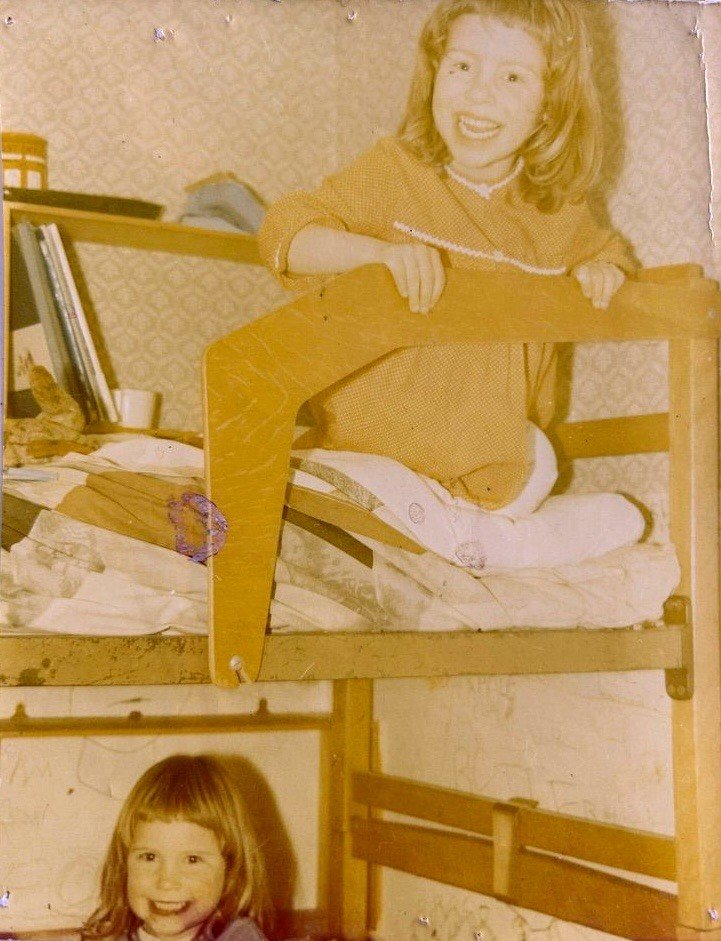
Anderton and her sister at home in the late 1960s. 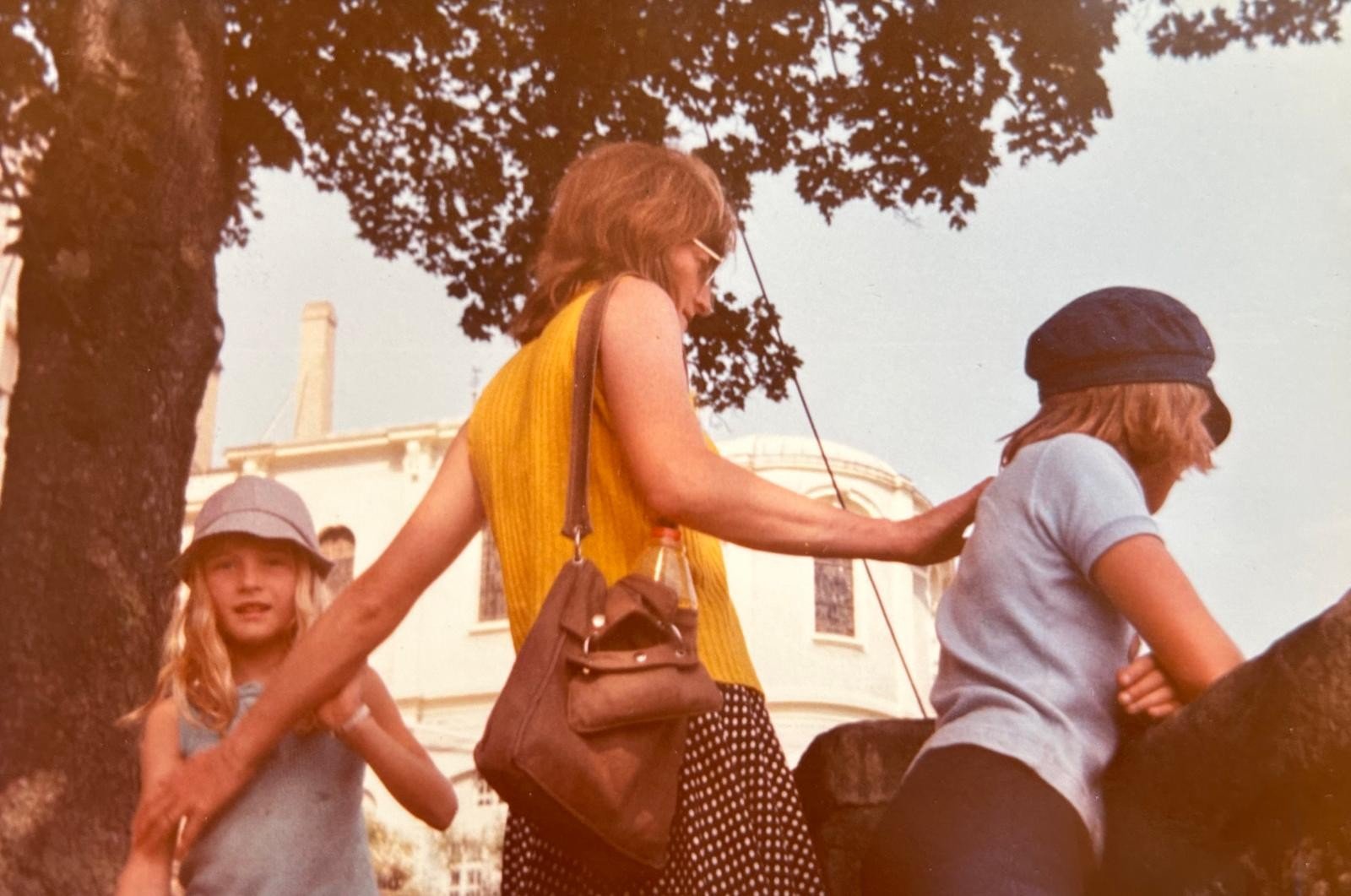
Anderton (right) with her mother and sister. 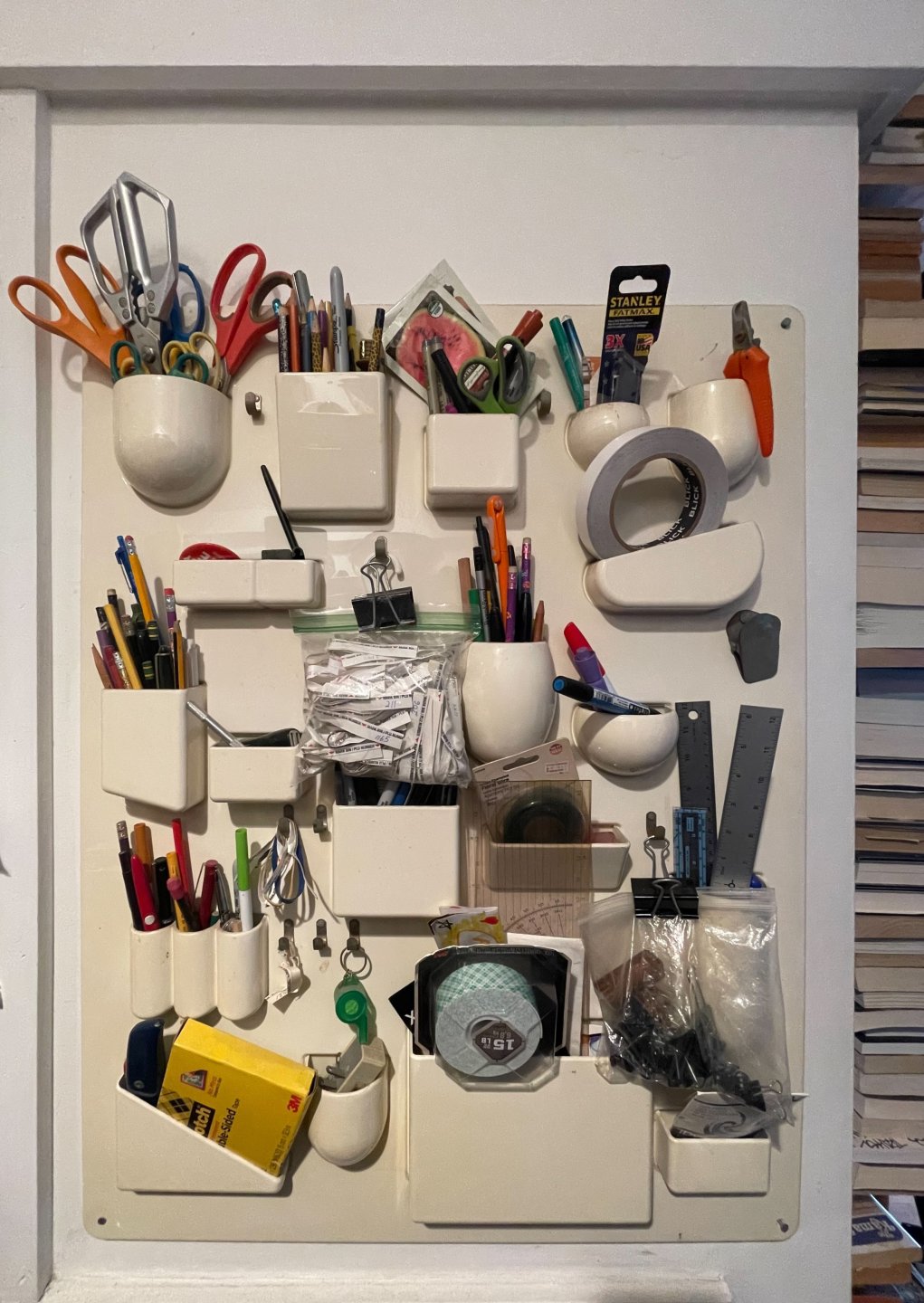
A Uten Silo board, similar to the one Anderton grew up with.


We lived in a combination of flats—[generally] two-stories and, on a couple of occasions, we lived in a full house. For two years we lived in [a flat at] the fabulous Royal Crescent. If you’ve never seen it in real life, you’ve probably seen it in Jane Austen movies or something.
Bath was very bohemian at that time. Bryan Ferry came and played in a house two doors down from mine, because my father was friends with his music manager. There were hippies out on the grass. It was just really fun.
Because given the age we were, my sister and I spent a lot of time in the [surrounding] trees: in the private park, the public park, and in the trees all along the lane. We had this one particular tree that we would sit in for hours. That’s how I viewed the world much of the time.
My father loved modern architecture. He dreamed of the Bauhaus, and he wished we could be living in some fabulous, modern sixties house with split levels. So he was always changing the interiors, adding in extra levels and mezzanines and platforms. We didn’t have usual vacations to the beach. We went to cities with architecture.
You’ll probably recognize the Uten Silo organizer, designed by Dorothee Becker. She was the wife of Ingo Maurer. It came out in 1969, and it is in my apartment today. My parents bought one when it came to market and it hung in our flat in the Royal Crescent. It was very Pop plastic, nothing to do with neoclassical architecture.
It really says something about my father, who had eclectic taste and valued Georgian architecture. He would spend much of his time literally climbing in dumpsters. Or we’d go to estate sales, reclamation yards, looking for traditional fixtures and fittings. Then he would juxtapose them with something like this.
Today, I am very interested in housing—and my childhood must have something to do with it. I feel ambivalent about house-flipping and the commodification of houses and all that. So when I found a home in L.A., the apartment that my husband and I and our daughter live in, I stayed there. There are all sorts of reasons why, but I think it was a reaction to my past. I have a very strong feeling about the emotional importance of home, which perhaps is lost when you keep on moving, as well as how it’s designed.
The message I got from my childhood was that design and the built environment matter very much. However, at the same time, one shouldn’t take it too seriously. You’ve got to have fun with it. Our interiors were an ongoing adventure.
I also learned the value of preserving buildings, but not in a way that was precious. I feel very strongly that older buildings should be reused where possible, and that contemporary residents should adapt them to their own needs and time.”
This presentation was part of the inaugural Making Space symposium, which took place in Los Angeles on November 12, 2025 before a live audience. It has been edited and condensed. (Photo of Royal Crescent by Bärbel Miemietz. Other photos courtesy Frances Anderton)